In the battle against climate change, the term “net-zero emissions” has ignited global discourse as a critical objective. The urgency to reduce emissions has never been higher as voices around the world call for sustainable actions to avoid climate catastrophe. Greenhouse gas (GHG) emissions are the primary culprit, with human activity increasing the concentration of GHGs in the atmosphere. With more GHGs in the atmosphere, more heat is trapped, leading to changes in the climate and natural processes. Consequences include rising sea levels, resource scarcity, and an increase in the frequency and the intensity of natural disasters. Human activities that have caused an increase in GHG emissions include energy use, transportation, agriculture, land use, and industry. GHG emissions are not limited to these sectors and all sectors must decarbonize to achieve net zero.
What are Net-Zero Emissions?
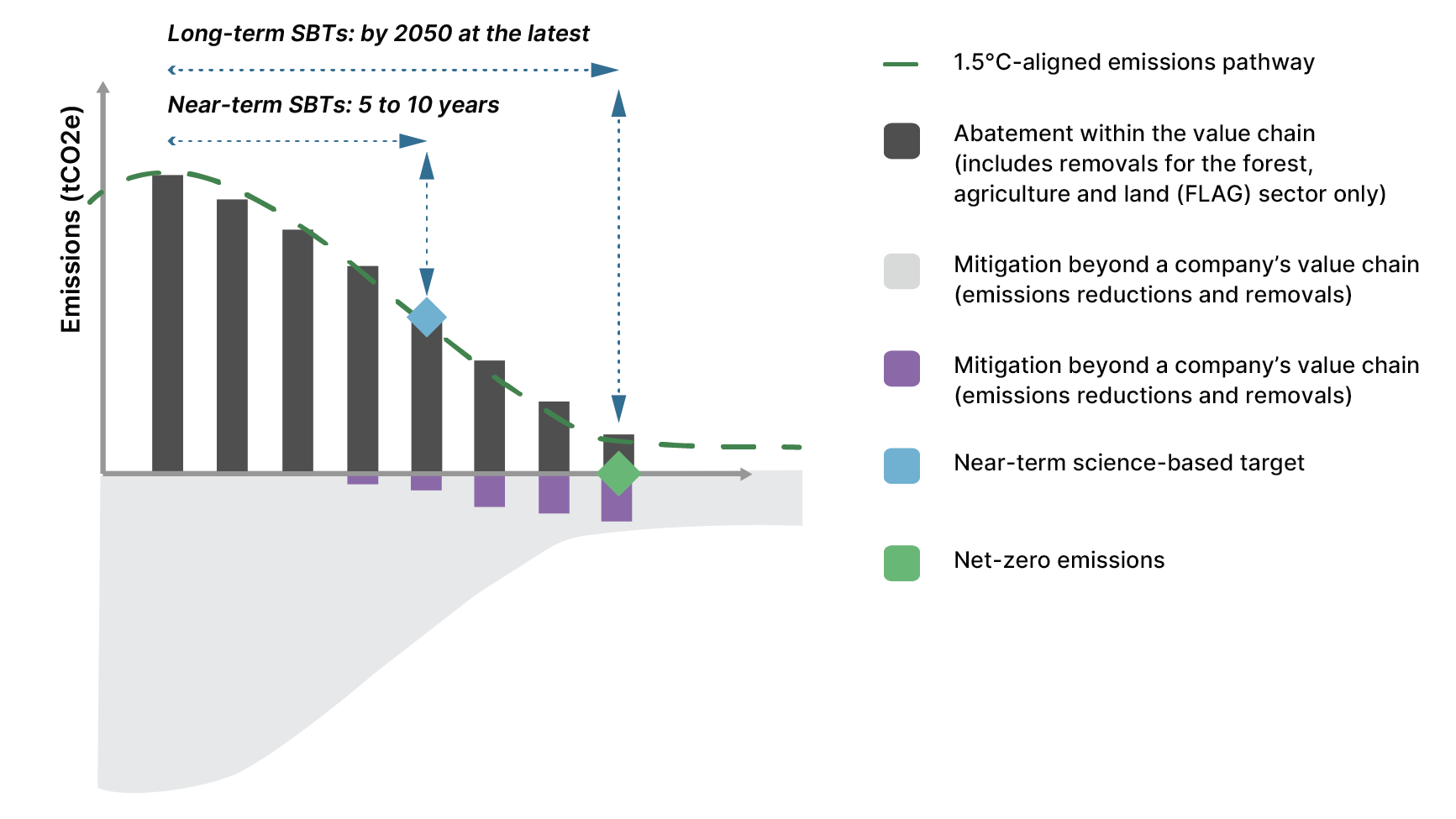
Net-zero emissions occur when the total emissions generated by human activity are offset by removing an equivalent amount of GHGs from the atmosphere. Achieving this balance involves reducing emissions from all sectors as much as possible. Any remaining emissions are balanced through initiatives like reforestation or implementing carbon capture technology. Emissions reduction includes strategies like increasing renewable energy use, improving public transportation infrastructure, and waste diversion.
When Should We Take Action?
To avoid catastrophic global repercussions, countries must reach net-zero emissions between 2050 and 2060, aligning with the 2015 Paris Agreement. Reaching this target is critical, or else we risk breaching the 1.5ºC limit, triggering irreversible damage to the planet. Breaching this limit risks loss of biodiversity, rising sea levels, and crossing tipping points that may be detrimental to food, water, and other resources we depend on to survive. With a fast approaching deadline, countries must act promptly.
Are We Making Progress Towards Net Zero?
Existing climate policies will fail to stay under the 1.5-degree Celsius limit, risking a potential 2.8 degrees Celsius by the end of the century. Failure to implement stricter policies and regulations will have catastrophic consequences resulting in the collapse of ecosystems and resource scarcity. The UN’s Emissions Gap Report 2023 finds there has been progress in reducing GHG emissions to meet 2030 goals, however, drastic emissions reductions must take place to meet the Paris Agreement 1.5 degree Celsius pathway.
Why is the Paris Agreement Important?
The Paris Agreement was a monumental statement with 195 parties, involving 194 states and the European Union as of 2024. It serves as a commitment to limit global temperature increase, assess progress, and provide financing to developing countries to mitigate and adapt to climate change impacts. The agreement aimed for a global response for limiting global temperature rise this century below 2ºC from pre-industrial levels. It further aimed to pursue efforts to limit the temperature increase to 1.5ºC. The 1.5ºC pathway calls for a 45% global emissions reduction by 2030 and net-zero emissions by 2050. Limiting global temperature increase will mitigate further consequences of climate change. The Paris Agreement signified the necessity to work together and acknowledge climate change as a global issue that we must undertake together.
Are There Global Commitments?
Over 90 countries, representing almost 80% of the world’s emissions, have communicated net-zero emissions targets, including the most populous countries: India, China, and the USA. The efforts of these countries are exemplifying the severity and necessity of taking action against climate change. The Paris Agreement is likely the most well known global commitment, but others established before and after continue to express the urgency to take action against climate change.
- Montreal Protocol
- Kyoto Protocol
- Copenhagen Accord
- Paris Agreement
- Glasgow Climate Pact
- UN Net Zero Coalition
Strategies to Reach Net Zero
Climate change demands a substantial shift across all industries, encompassing renewable energy sources, sustainable farming practices, efficient resource use, and innovative technologies. An equitable transition is key to the success of fostering inclusive and sustainable solutions. Here are key strategies:
Policy and Regulation
- Establish policies that limit and reduce the amount of GHG emissions with enforceable regulations.
- Offer financial incentives to reduce the cost barrier for implementing sustainable practices and new technologies.
Equitable Transition
- Ensure policies and actions are inclusive and address the voices and needs of vulnerable communities.
- Foster global support through global commitments like the Paris Agreement or other initiatives by sharing resources and strategies.
Transition to Renewable Energy
- Use renewable energy sources like solar power, geothermal energy, and hydroelectric power.
- Leverage emerging technologies to enhance energy efficiency such as heat recovery and storage.
Sustainable Transportation
- Invest in cleaner transportation infrastructure like public transit and alternative commuting options to personal vehicles.
- Develop alternative fuels in areas where electrification is not accessible.
Sustainable Agriculture and Land Use
- Promote sustainable agriculture practices like regenerative agriculture to restore soil health, sequester carbon, and increase biodiversity.
- Protect and restore natural habitats like forests, wetlands, and grasslands that are important for carbon sequestration and biodiversity.
We Must Act Now.
Climate change threatens our future and we must take action to mitigate further consequences. The net-zero emissions goal is one of the strategies that many around the world are committed to. Achieving net-zero emissions by reducing emissions as much as possible and offsetting the remaining emissions is a necessary step to mitigate the effects of climate change. Current policies are lacking the necessary actions to achieve the net-zero emissions by 2050 goal set by the Paris Agreement, adding to the urgency. Global actions to decarbonize every sector are necessary for reaching net zero. It will take global cooperation to create sustainable and equitable solutions, and net zero is one very important part of the equation.
Take the Next Step: CarbonBright is here to be your partner on this crucial journey. Our innovative solution automates the complex process of measuring scope 3 emissions, ensuring accuracy and efficiency. By leveraging CarbonBright, organizations can gain precise insights into their product-level carbon footprint, enabling them to identify key areas for improvement and make data-driven decisions to reduce their environmental impact. Contact us today to learn how CarbonBright can support you in your journey to achieving net zero!