Our world has a packaging problem. But the good news? Some seriously innovative minds are changing the game with materials that are smarter, cleaner, and surprisingly creative. As the environmental impact of plastic and other non-biodegradable materials becomes increasingly evident, brands and innovators are stepping up with cutting-edge alternatives. These innovations are leading the way in creativity and sustainability.
Here are five groundbreaking packaging solutions that are setting the standard for a more sustainable future.
1. Seaweed-Based Packaging
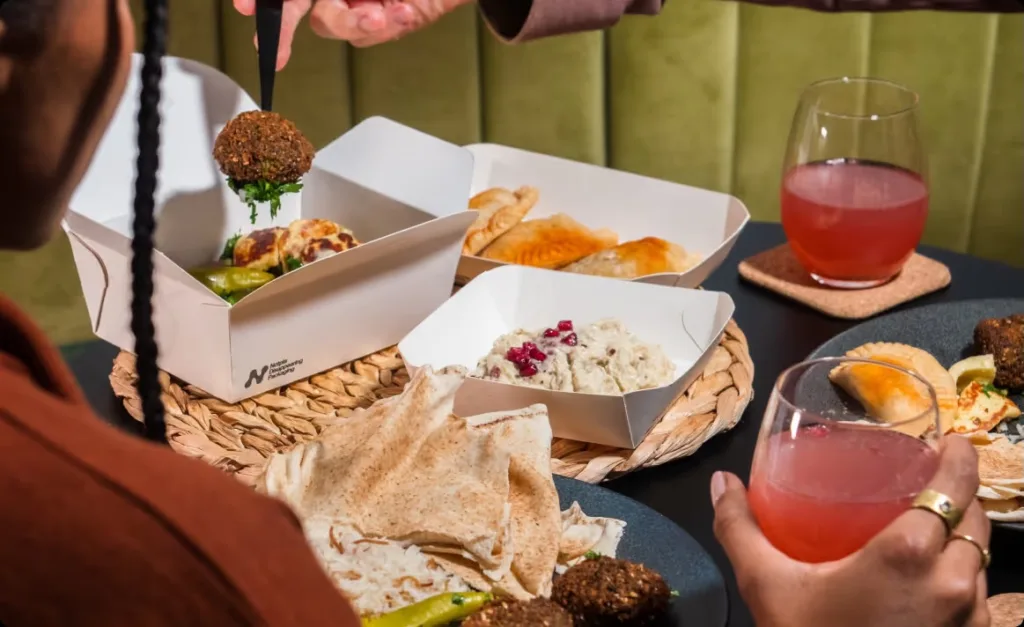
Seaweed-based packaging has emerged as a promising alternative to plastic. This innovative material is made from algae and other sea plants, which grow rapidly and require no fresh water or arable land to produce. One company using this approach is Notpla, which has developed packaging for liquids and solid foods that is both biodegradable and edible. Their Notpla seaweed sachets, for example, offer a revolutionary way to reduce single-use plastic waste in food and beverage industries.
Why it’s innovative: Seaweed packaging is not just biodegradable but can be consumed, eliminating the waste entirely. It’s also carbon-negative, absorbing CO2 as it grows.
Sustainability Benefits:
- Completely biodegradable and compostable.
- Made from rapidly renewable resources.
- Reduces plastic waste in oceans and landfills.
2. Mushroom-Based Packaging
Traditionally, bubble wrap and air-filled plastic padding have been the go-to solutions for protecting fragile products during shipping. However, these materials are not sustainable and contribute significantly to plastic waste. Innovations like biodegradable padding are offering the same level of protection as plastic-based alternatives but without the environmental toll.
Companies like Mushroom Packaging
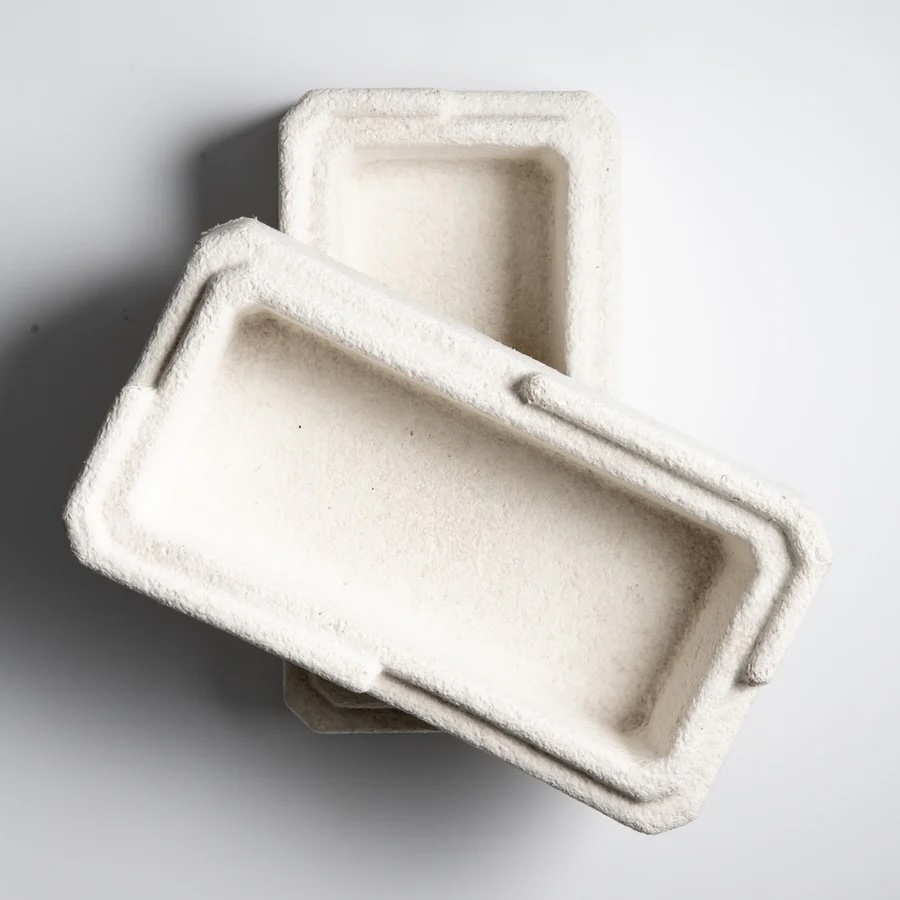
are incorporating sustainable padding into their packaging solutions. They use mycelium, the roots of mushrooms, to create their packaging solutions. Better yet, it’s home compostable in 45 days.
Why it’s innovative: Unlike traditional packaging padding, this mushroom based padding breaks down naturally.
Sustainability Benefits:
- Made from renewable plant fibers.
- Fully biodegradable and compostable.
- Reduces reliance on petrochemical-based packaging.
3. Sugarcane Fiber Packaging
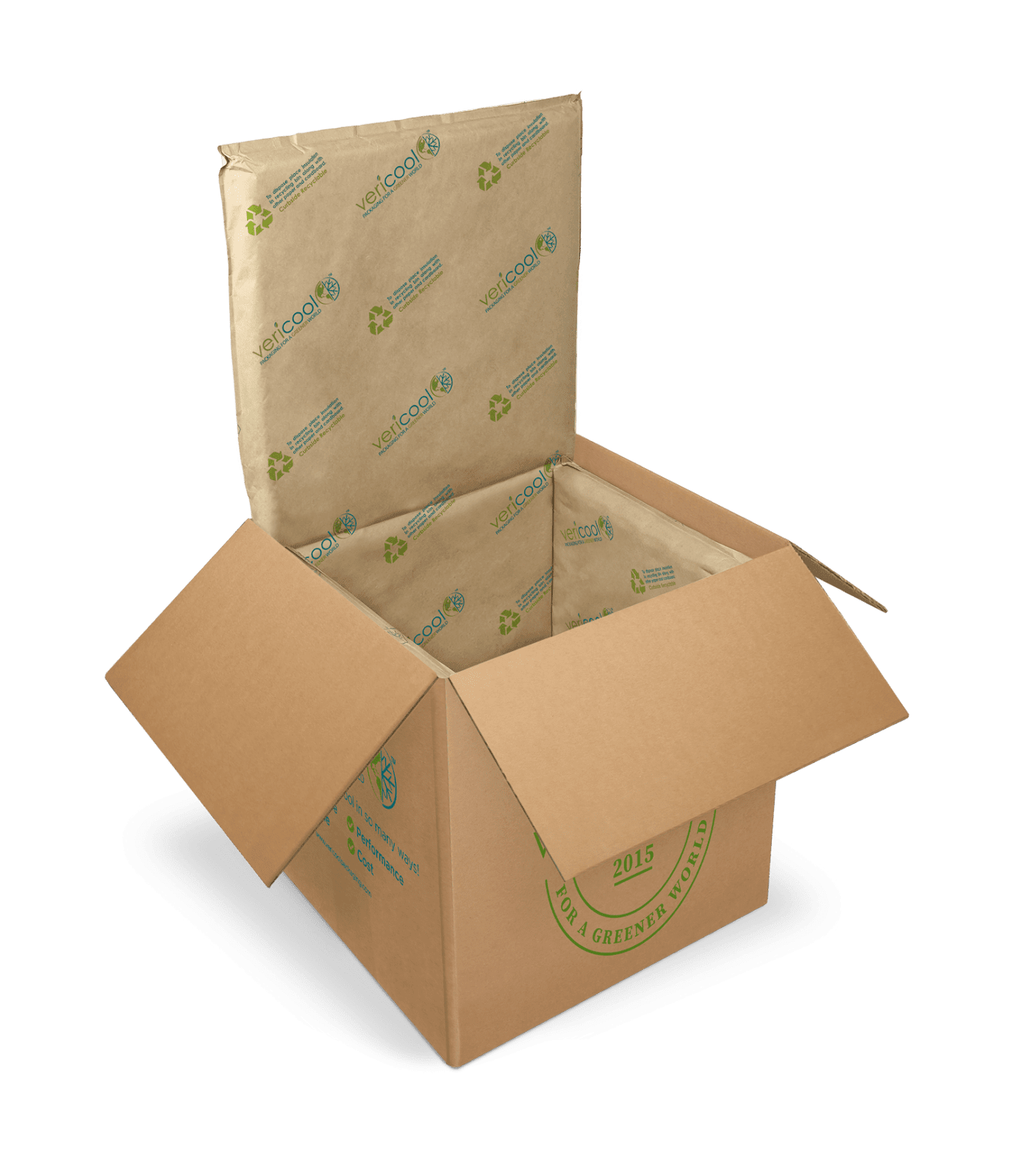
Expanded polystyrene (EPS) foam—commonly used for cold shipping and insulation—is notoriously difficult to recycle and toxic to produce. Vericool figured out how to take sugarcane scraps and turn them into sleek, compostable coolers that actually outperform foam. Their Vericooler line maintains the insulation qualities of foam while being compostable, recyclable, and safe for food and pharma applications. It’s a win-win for performance and sustainability.
Why it’s innovative: Turns an agricultural byproduct into high-performance insulation with zero plastic.
Sustainability Benefits:
- Made from plant waste
- Fully compostable and recyclable
- Outperforms EPS foam in function and footprint
4. Cornstarch Foam Padding
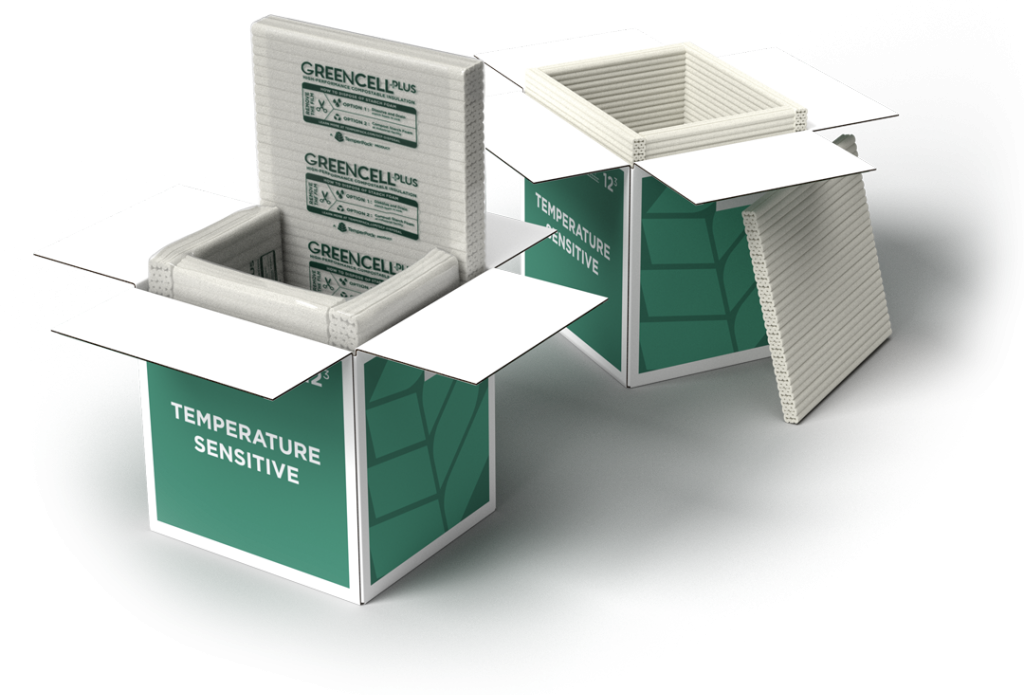
Protective air pillows are essential in shipping, but the plastic versions stick around for centuries. TemperPack’s Green Cell Foam has a breakthrough alternative: padding made from non-GMO corn starch, grown and processed in the U.S. This padding is lightweight and protective like plastic—but dissolves in water or compost in your garden. These can be used for a number of use cases and bring function and biodegradability together in one clean solution.
Why it’s innovative: Functions like plastic air cushions, but melts away guilt-free.
Sustainability Benefits:
- Made from annually renewable crops
- Compostable and biodegradable
- Dissolves in water or soil with zero residue
5. Dry Molded Fiber Packaging
Single-use plastic packaging is everywhere. But PulPac is flipping the script with dry molded fiber technology that compresses cellulose fibers (from wood pulp, recycled paper, or agricultural waste) into high-precision packaging shapes. Unlike traditional pulp molding, this method uses minimal water, dries instantly, and is energy efficient. PulPac’s system is scalable, fast, and ideal for replacing single-use plastics at the industrial level.
Why it’s innovative: It’s fast, scalable, and creates zero wastewater. Plus, it can be shaped into anything from trays to blister packs to bottle caps.
Sustainability Benefits:
- Made from renewable cellulose fibers
- Uses 80% less water than traditional molded pulp
- Fully compostable and recyclable
- Mass-producible at high speed (perfect for replacing plastic at scale)

Why These Innovations Matter
Each of these sustainable packaging innovations is playing a pivotal role in reducing our reliance on single-use plastics and minimizing environmental harm. As the world shifts toward more eco-friendly solutions, the packaging industry is embracing innovation to tackle waste, reduce carbon footprints, and create circular economies. By highlighting brands like Notpla, Mushroom Packaging, Vericool, Green Cell Foam, and PulPac, we can celebrate and support these remarkable steps forward in packaging sustainability.
The future of packaging is compostable, regenerative, and circular—and it’s already here.
How CarbonBright Helps You Make Smarter Packaging Decisions
As demand grows for sustainable materials, businesses face rising pressure to reduce emissions and rethink their packaging strategies. CarbonBright’s AI-powered platform helps you stay ahead by delivering fast, accurate Life Cycle Assessments (LCAs) for a wide range of packaging options. Whether you’re comparing compostable alternatives or sourcing plant-based materials, our tools identify low-emission, cost-effective solutions that align with your sustainability goals.
Contact CarbonBright CarbonBright to simplify your LCA process, cut through greenwashing, and make data-driven packaging choices that reduce both environmental and financial risk.