Current Material Landscape
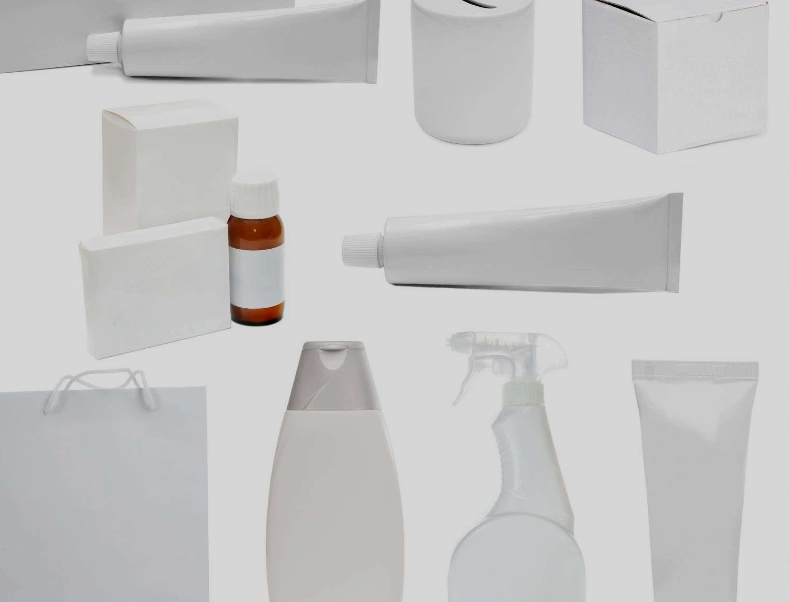
Today’s packaging landscape reflects a wide range of formats and material choices—each optimized for performance but often misaligned with circularity.
| Component | Material | Reason | Drawback |
|---|---|---|---|
| Rigid bottles | HDPE, PET | Chemically resistant, lightweight, moldable | High reliance on virgin resin; rPET clarity challenges |
| Flexible pouches | LDPE, multi-layer PE/EVOH | Soft feel, barrier properties | Multilayer structures complicate recycling |
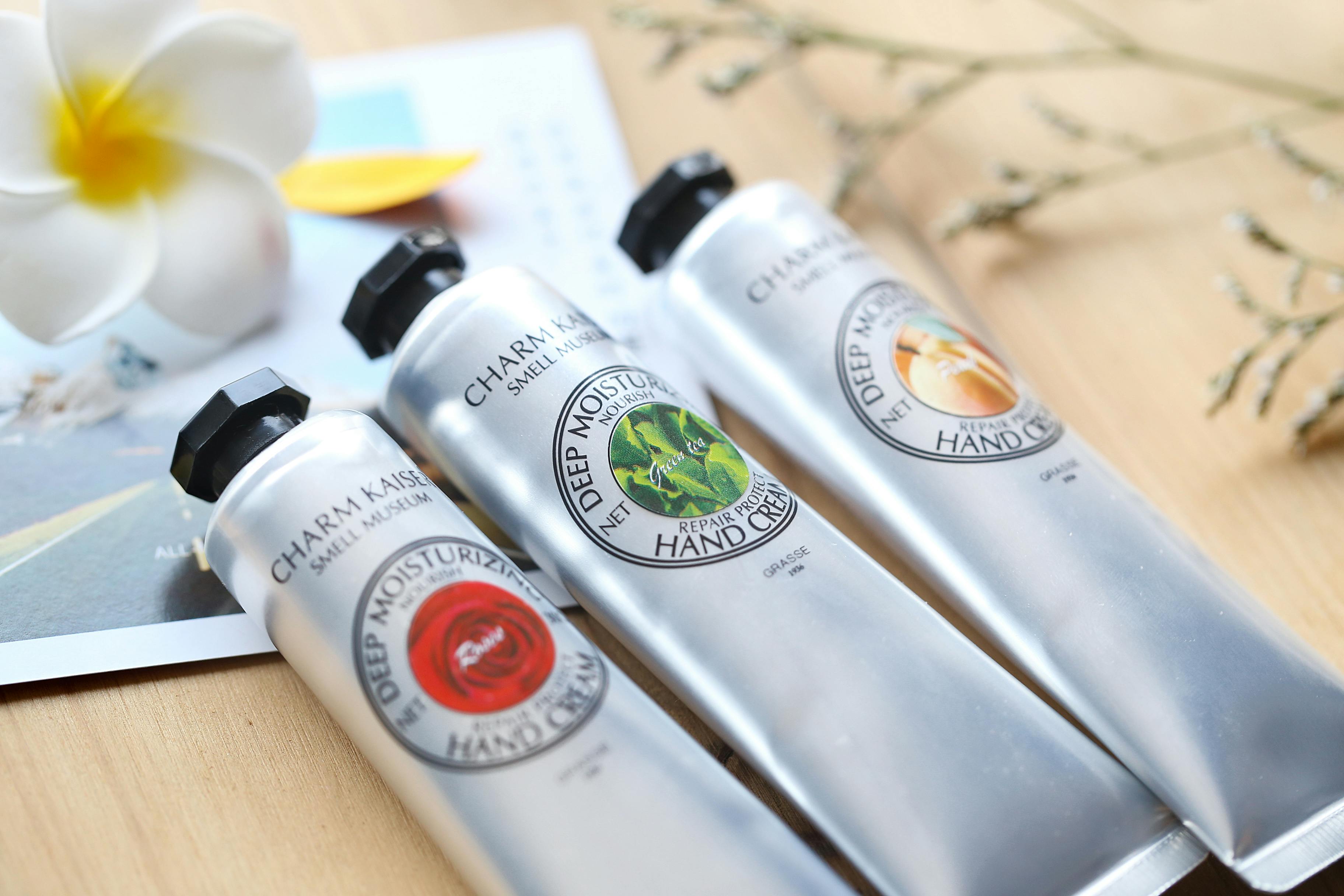
| Tubes & dispensing | PE, PP, multi-layer laminates | Chemical protection, tactile quality | Multi-material components hinder recyclability |
| Closures, pumps, spouts | PP, mixed plastics/metal | Functional and durable | Difficult to recycle due to mixed polymers |
Key Sustainability Challenges
Although many packaging materials are technically recyclable on their own, the complete packaging system often fails to be recyclable in practice.
Multi-Layer Laminates
Flexible packs, pouches, and tubes frequently use PE/EVOH, PET/PE, PET/Al/PE, or PP/PA structures. These fused layers cannot be separated economically, meaning the entire laminate behaves as a non-recyclable mixed material despite having recyclable components.
Adhesives and Tie Layers
Polyurethane adhesives, acrylic coatings, and tie layers (e.g., anhydride-modified PE) improve barrier properties and stiffness but introduce chemical incompatibilities. Even small amounts can cause haze, gels, or brittleness in recycled PE or PP, reducing quality and causing facilities to reject these materials.
Metal–Plastic Combinations
Pumps, valves, spouts, and metallized films combine plastics with aluminum or steel. These hybrid structures contaminate plastic streams, disrupt shredding and melting processes, and are often mis-sorted by NIR sensors.
Component Incompatibility
Systems using different polymers—such as PE tubes with PP caps—introduce melt-processing conflicts. Each resin has different melting points and rheology, preventing true mono-material recycling even when parts are individually recyclable.
Labels, Sleeves, and Inks
Shrink sleeves, adhesive labels, and high-pigment inks impair sorting and degrade recycled resin quality, especially PET, where clarity is critical.
The Result
Most packaging systems are designed for performance, not circularity. This leads to:
- Low effective recycling rates, especially in flexible packaging and multi-component systems
- Downcycling, where material quality declines after each recycling loop
- High contamination levels, which increase costs and reduce the viability of recycling programs
Sustainable Alternatives in Commercial Use
Bio-Based Polyethylene (Bio-PE)
Bio-PE is chemically identical to conventional PE but made from sugarcane ethanol or other renewable feedstocks. It maintains the same mechanical and thermal properties, allowing drop-in compatibility with existing extrusion, blow-molding, and thermoforming equipment.
Benefits
- Fully recyclable in standard PE streams.
- High chemical and mechanical resistance.
- Drop-in processing without equipment modification.
Limitations
- Production still requires energy-intensive polymerization; overall carbon savings depend on feedstock and processing efficiency.
- Barrier performance is similar to conventional PE, providing moderate oxygen and moisture protection.
Mono-Material PE Structures
Mono-material PE designs use a single polymer grade across the tube, bottle, or pouch, including closures, eliminating incompatible multi-layer laminates and adhesives.
Benefits
- Entire packaging can enter PE recycling streams.
- Retains flexibility and mechanical toughness.
- Simplifies manufacturing processes by removing multi-layer interfaces.
Limitations
- Barrier properties are limited to PE performance; specialty grades or wall-thickness optimization may be needed for sensitive products.
- Caps/closures must match PE grade to maintain full recyclability.
Cellulose-Based and Paper-Dominant Packaging
These formats use multi-layer paperboard as the primary structure, with a thin functional liner (PE, PP, PLA, or PHA) for moisture and chemical protection.
Benefits
- Significantly reduces fossil-based polymer use.
- Strong sustainability signal for brands and consumers.
- Structural strength comparable to standard packaging for certain applications.
Limitations
- Barrier performance is generally weaker than full-plastic or metalized laminate packaging.
- Mixed-material designs may not be fully recyclable in all municipal systems.
- Liners must be carefully selected for compatibility with aqueous, acidic, or solvent-based products.
Concentrate and Refill Formats
Refill systems reduce packaging volume by using ultra-thin pouches, dry powders, or tablets rehydrated at the point of use.
Benefits
- Reduces packaging weight compared to full-size units.
- Supports circular economy models via reusable outer containers.
Limitations
- Requires high-barrier films to maintain product integrity.
- Consumer adoption depends on clear instructions and convenience.
Emerging R&D Pathways
| Innovation Area | Description | Impact / Benefit | Status / Commercialization |
|---|---|---|---|
| Polyhydroxyalkanoates (PHA) | Microbial polyesters produced by bacteria. | Focus on biodegradability/compostability; supports circularity when appropriate waste streams exist. | Growing interest; recycling and reuse techniques for PHA are under development. |
| Nanocellulose | Nanostructured cellulose derived from plant biomass. | Excellent mechanical strength and barrier enhancement when used as coatings; can improve oxygen/moisture barrier in biopolymers. | Under active research, especially for biopolymer composites and barrier applications. |
| PLA with Improved Barrier | Next-gen PLA blended or reinforced to boost barrier and mechanical properties. | Reduced fossil carbon; compostability or biodegradability where appropriate; widely used in food packaging. | New formulations are improving barrier performance and adoption in select food-contact applications. |
| Bio-Based, Non-Biodegradable Polymers | Renewable “drop-in” polymers chemically identical to fossil plastics. | Reduced cradle-to-gate CO₂ emissions; helps decarbonize without compromising performance. | Reported in market studies with growing production capacity; part of bio-plastics scale-up. |
Conclusion
Sustainable packaging is not about eliminating plastics entirely, but about designing materials and systems that enable true circularity. By combining lower-carbon feedstocks, simplified mono-material structures, renewable fiber solutions, and refill/concentrate systems, brands can maintain performance while reducing environmental impact.
Key insights:
- Material substitution: Bio-PE and cellulose-based solutions reduce fossil carbon dependency without compromising strength or chemical resistance.
- Design simplification: Mono-material structures improve recyclability and lower contamination risk in recycling streams.
- Resource efficiency: Concentrate/refill systems drastically reduce packaging volume and material use.
- Innovation focus: Emerging R&D in biodegradable polymers, high-clarity PCR resins, and all-PE mechanisms allows packaging engineers to balance performance, sustainability, and regulatory compliance.
Despite this progress, adoption is not happening as quickly as the technology allows. Suppliers and brands face real barriers—higher costs for emerging materials, limited large-scale production capacity, and uncertainty around long-term supply stability. Switching materials also requires equipment adjustments, compatibility testing, and regulatory validation, which extends timelines. And because recycling infrastructure varies significantly across markets, companies often hesitate without confidence in end-of-life outcomes.
Even so, the industry trajectory is unmistakable. Innovation in materials, improving PCR quality, and increasing regulatory pressure are accelerating the shift towards circularity. Companies that address these constraints early and invest in scalable, recyclable designs will strengthen regulatory readiness, build brand credibility, and unlock meaningful environmental benefits.
Take Action with CarbonBright
Ready to optimize your packaging for performance and sustainability? CarbonBright’s AI-powered platform helps packaging manufacturers, brands, and retailers measure, manage, and reduce environmental impact across the supply chain. From evaluating material alternatives (bio-PE, mono-material plastics, cellulose-based solutions) to tracking recyclability, carbon footprint, and end-of-life performance, CarbonBright provides data-driven insights for credible sustainability decisions.
Take control of your packaging portfolio today to reduce carbon, improve recyclability, and innovate smarter materials.