Life Cycle Assessment (LCA) is an essential tool for businesses to evaluate the environmental impacts of their products. But how is the data being used in businesses today? Below are three ways businesses can use the analysis with real life case studies:
Strategic Decision Making
LCAs give you an overview of your emission hotspots across all product categories. You can use this data for informed strategic decision-making using a holistic view. This enables businesses to focus their resources in the right areas.
Case Study
A major UK Retailer wanted to decide if they should pilot refillable packaging. By carrying out Life Cycle Assessments on their products, the retailer was able to see if packaging was a key area to focus on. Through the analysis, it was clear that packaging only made up 3% of their total impact. Instead they reallocated resources to raw materials that made up 67% of their impact. This helped the retailer use resources in the most efficient way, enabling them to meet their targets more quickly.
Product Design and Innovation
LCA data should be used in the product development process to identify reduction opportunities. By evaluating different materials, manufacturing processes, and design choices, businesses can optimise product design. The outcome? Minimised resource consumption, emissions, and waste generation over the product’s life cycle.
Case Study
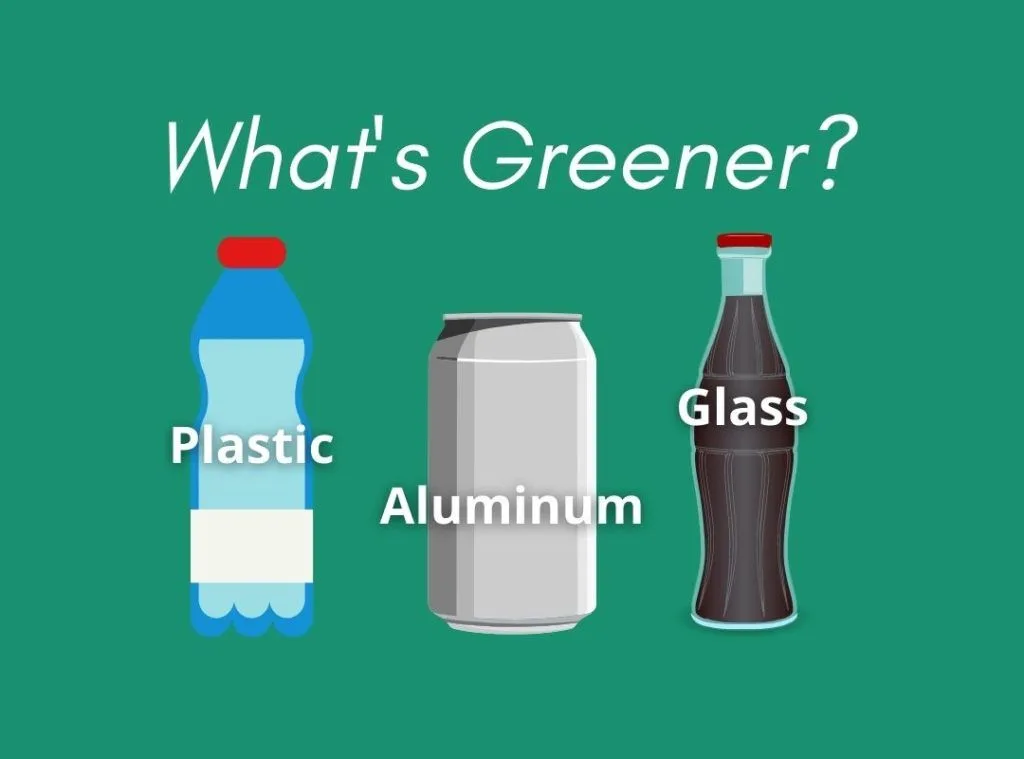
A new refreshments brand wanted to select the best packaging for their new range. They were given different packaging options from their supplier: plastic, metal or glass. Using Life Cycle Assessments of each packaging type, the brand were able to assess which packaging option had the least impact. This enabled the team to select the right packaging for their new brand and set them up for success.
Marketing and Communication
LCA results can be used to communicate the environmental performance of products transparently. This is because they substantiate the claims made by providing credible and science-based data to back-up the claim. Therefore enabling businesses to differentiate themselves in the market whilst building consumer trust.
Case Study
A sustainable cleaning brand wanted to tell their customers about the carbon footprint of their products. The cleaning brand conducted Life Cycle Assessments on their entire product range. This way they could confidently make claims which aligned to current and upcoming regulations.
Conclusion
By leveraging LCA, retailers, brands and suppliers can benefit in many ways. From identifying opportunities for sustainable innovation to optimising resource use. This holistic approach benefits the environment and contributes to long-term business success.