Why Consumers Are Choosing Sustainable Personal Care Products
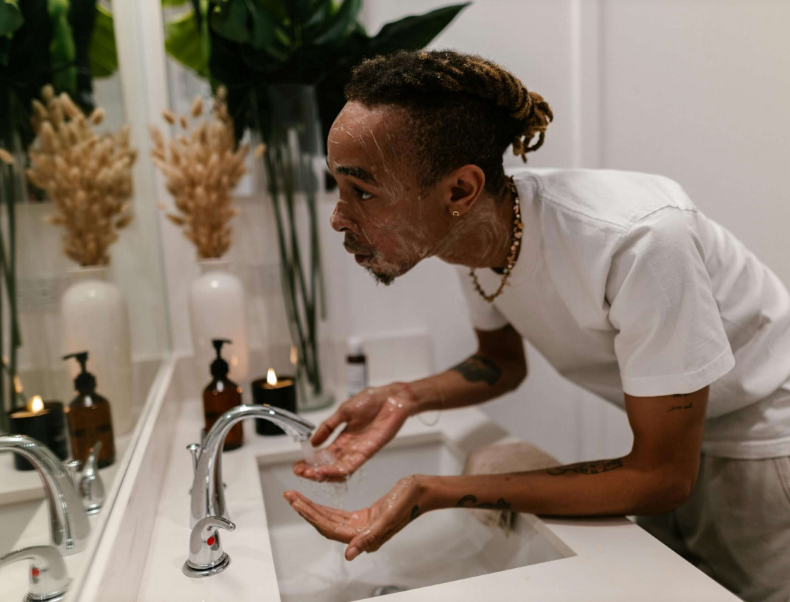
Consumers are increasingly prioritizing clean, sustainable, and ethical personal care products that align with their values. Growing concern for their health and the environment from chemicals and toxins in packaging and the products themselves has driven consumers to seek alternatives.
Long-term exposure to certain ingredients, some banned by the U.S. FDA and the EU, has been linked to various health risks. As a result, there is a growing demand for alternatives with natural ingredients perceived as healthier and gentler on the skin, with fewer synthetic ingredients and unnecessary additives.
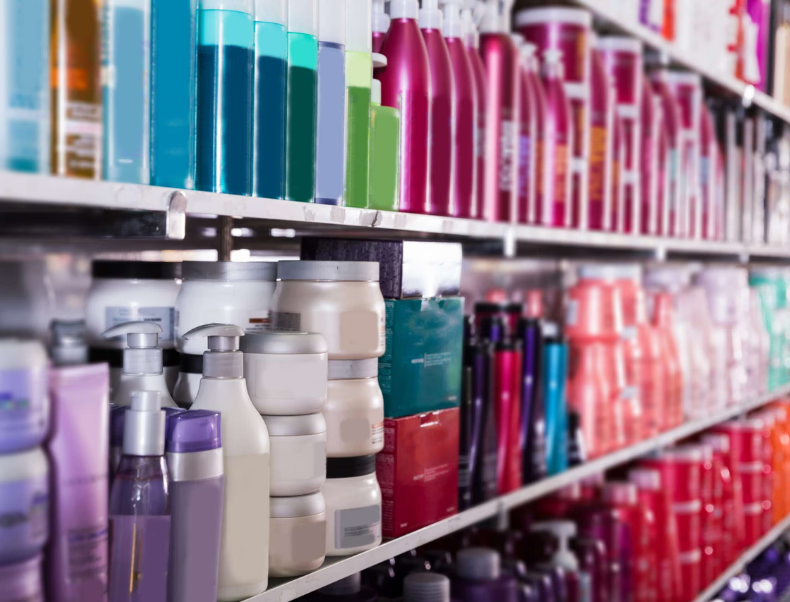
Consumers are also becoming more environmentally conscious. They consider the environmental impact of packaging ingredients from both upstream and downstream perspectives. Many are opting for packaging and products made from paper, glass, or post-consumer recycled materials. Additionally, there is an awareness of the negative impact of chemicals in products such as the chemicals in sunscreen on marine life and other ecosystems. Ethical sourcing considerations are also essential, with consumers favoring cruelty-free products and companies ensuring fair labor practices.
Understanding Sustainable Product Development in Personal Care
Sustainable product development involves creating products with practices that reduce environmental impact. This process considers all stages of a product’s life cycle from material extraction to end-of-life, often through a life cycle assessment (LCA) for products to ensure products are as environmentally friendly as possible. Environmentally friendly product design can attract customers, build brand loyalty, and increase resiliency.
Enhance Brand Loyalty
A commitment to sustainable practices and transparency about a company’s environmental impact forms a trusting relationship between the company and the customer, attracting and retaining customers who are aligning their purchases with their personal values.
Cut Costs with Resource Efficiency
An efficient and more sustainable production process can help companies stay compliant with environmental regulations and save on operating and production costs.
Mitigate Risks through Resiliency
Reducing dependence on finite resources helps a company become more resilient to future environmental disasters and depletion of resources as well as adapting to regulation and consumer preferences.
The Role of A Life Cycle Assessment (LCA)
A life cycle assessment (LCA) plays a crucial role in sustainable product development by providing scientifically backed data about a product’s environmental impact. This can be used to promote transparency and credibility of your brand to stakeholders. By conducting an LCA, companies can identify areas of improvement and make informed decisions to increase sustainability measures across the product life cycle. While performing an LCA can be complex and time consuming, CarbonBright’s AI driven platform streamlines this process, allowing companies, like Composty, to focus on creating a more sustainable world.
Conclusion
Incorporating sustainable product development is important to keep up with consumer demands. As consumers become more conscious about their purchasing decisions, a less environmentally friendly and ethical product may be left on the shelves, resulting in economic and brand loyalty loss. Leveraging a Life Cycle Assessment provides valuable insights to a product’s environmental impact, identifying opportunities of improvement.
As we strive towards a more sustainable future, embracing sustainable product development is essential. By prioritizing environmental responsibility and innovation, companies can not only meet the needs of today’s consumers but also future generations.
Want to learn more about how you can incorporate sustainability into product development? Book a demo with CarbonBright.